

WOMEN OF THE REVOLUTION March 03, 2026
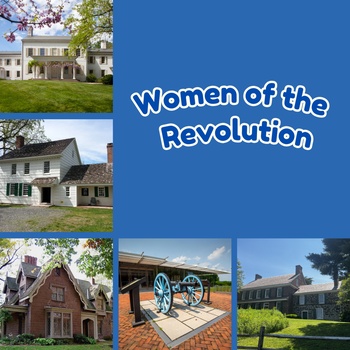
Step back in time and uncover the remarkable stories of women who played pivotal roles during the American Revolutionary War. From the legendary bravery of Mary Ludwig Hays –known as "Molly Pitcher"— who manned a cannon at the Battle of Monmouth, to Elizabeth Covenhoven's resilience as she sheltered her home from British forces: these women left an indelible mark on history. Discover Ann Cooper Whitall's compassionate heroism at Red Bank Battlefield, Theodosia Prevost Burr's strategic hospitality at The Hermitage, and Annis Boudinot Stockton's patriotic poetry at Morven Museum and Garden. Each site offers a unique glimpse into their lives, with guided tours and exhibits that illuminate their contributions and the challenges they faced during this transformative era in American history.
1. Mary Ludwig Hays:
The story of "Molly Pitcher" symbolizes the bravery of women during the American Revolutionary War, with Mary Ludwig Hays often identified as the real woman behind the legend. Born to German immigrant parents, Mary married William Hays, who served in the Continental Army. She joined her husband at camp, performing tasks like washing clothes and caring for the sick, which earned her the nickname "Molly Pitcher," referring to the buckets she carried. During the Battle of Monmouth on June 28, 1778, Mary gained fame for bringing water to soldiers and manning a cannon after her husband was injured. Her courageous actions reportedly led to a commendation from George Washington, earning her the nickname "Sergeant Molly."
Visitors interested in learning more about Mary Hays and the Battle of Monmouth can explore Monmouth Battlefield State Park. The park offers guided tours, reenactments, and educational exhibits that delve into the historical significance of the battle and the role of women on the battlefield
2. Elizabeth Covenhoven:
In June 1778, British troops under Lieutenant General Sir Henry Clinton arrived at Monmouth Court House, now Freehold Township, during their march from Philadelphia to New York City. The British sought to consolidate forces after France entered the war on the Patriots' side. Clinton's army faced harsh conditions, including heat, mosquitoes, and harassment by local militia, which led them to pause in Freehold for rest. Local residents, aware of the approaching army, took measures to protect their possessions, with some fleeing and others hiding valuables. Elizabeth Covenhoven chose to remain in her home, the finest in the area, despite Clinton's occupation and the threat of its destruction.
Visitors can learn more about Elizabeth Covenhoven and the Battle of Monmouth by visiting the Covenhoven House in Freehold, New Jersey. Operated by the Monmouth County Historical Association, the house offers an exhibit titled "Choices," which delves into the life of Elizabeth Covenhoven, her decisions during the British occupation, and the aftermath. The exhibit provides historical context on the challenges faced by residents during the Revolutionary War. It also explores the broader impact of the conflict on the community.
3. Ann Cooper Whitall:
Ann Cooper Whitall, born into the Cooper family in Woodbury, New Jersey, was a Quaker who lived by the principles of her faith and worried about the moral state of her society. Her concerns about divine judgment were realized when Patriot soldiers constructed Fort Mercer on her family's land during the Revolutionary War. Although opposed to warfare, she and her husband James could not prevent the fort's construction, leading to the Battle of Red Bank on October 22, 1777. During and after the battle, Ann Whitall displayed remarkable courage and compassion by transforming her home into a makeshift hospital to care for wounded soldiers, despite her personal opposition to the violence. Later in life, she succumbed to an epidemic of Yellow Fever. But, her legacy as the "Heroine of Red Bank" endures
Visitors to Red Bank Battlefield can learn more about Ann Whitall and the historical significance of the site by exploring the Whitall House. The house now serves as a museum showcasing artifacts and stories from the period. Tours and educational programs offer insights into the Revolutionary War, the role of Quakers during the conflict, and the compassionate actions of Ann Whitall, providing a deeper understanding of her life and contributions.
4. Theodosia Prevost Burr:
Theodosia Bartow Prevost was born in 1746 and married British army officer James Marcus Prevost in 1763. They settled at The Hermitage, their home in Bergen County. During the American Revolution, Theodosia faced challenges due to her husband's role in the British army, the management of her household, and her duty to entertain prominent Patriot figures such as George Washington, who stayed at The Hermitage in 1778. Despite threats of property confiscation due to her husband's loyalty, Theodosia maintained her home through strategic social connections. After James's death in 1781, she married Aaron Burr in 1782. They soon moved to Albany, New York, where Burr pursued a legal and political career. Theodosia passed away in 1794, before Burr became a controversial figure.
Visitors can explore The Hermitage in Ho-Ho-Kus to learn more about Theodosia's life and the historical significance of her home. The Hermitage offers guided tours, exhibits, and educational programs that delve into the Revolutionary War era, Theodosia's social influence, and her connection to prominent figures like Washington and Burr.
5. Annis Boudinot Stockton:
Annis Boudinot Stockton gained recognition initially as the wife of Richard Stockton— a signer of the Declaration of Independence— and later for her patriotic poetry. Born in 1736, she grew up in an educated environment and began writing poetry at a young age. Her work often celebrated the leadership of figures like George Washington, with whom she maintained correspondence. This correspondence highlighted her admiration and his appreciation for her literary talents. During the American Revolution, Annis supported the cause through her writings and fundraising efforts for the Continental Army. Her poetry offered insights into the cultural attitudes of the time and continues to be valued for its historical significance.
Visitors interested in learning more about Annis Boudinot Stockton and her contributions can explore the Morven Museum and Garden in Princeton. This historic estate, once home to the Stockton family, features exhibits on Annis's life, her writings, and her interactions with prominent figures of the Revolutionary era. The museum offers tours and educational programs that provide a deeper understanding of her literary legacy and the historical context of her work.
Whether you're a history enthusiast or simply curious, visiting these sites will enrich your understanding of the Revolutionary War and the influential roles women played. Where will you #journeythroughjersey?